Why Mold Remediation Detroit Property Owners Need to Act Fast
The Hidden Cost of Waiting on Mold
If you own property in Detroit, you know the city has a particular relationship with moisture. Between the aging infrastructure, the freeze-thaw cycles that crack foundations, and the humid summers that push indoor dew points past dangerous levels, mold is not a matter of if but when. I have spent years working in this field, and I can tell you that the window between spotting a small patch of black growth and dealing with a full-blown structural and health crisis is frighteningly short. That is why professional mold remediation Detroit services are not a luxury; they are a necessity for anyone who wants to protect their investment and their family's health.
The problem is that many property owners wait. They see a little discoloration on a basement wall or smell that musty odor near the HVAC system and assume a bleach wipe will handle it. Bleach does kill surface mold, but it does nothing for the spores that have already colonized the drywall, the wood studs, or the insulation inside your walls. By the time you call in an expert, the mold has often spread to areas you cannot see, and the remediation becomes a far more expensive process involving removal of building materials and careful containment.
Why Detroit Properties Are Especially Vulnerable
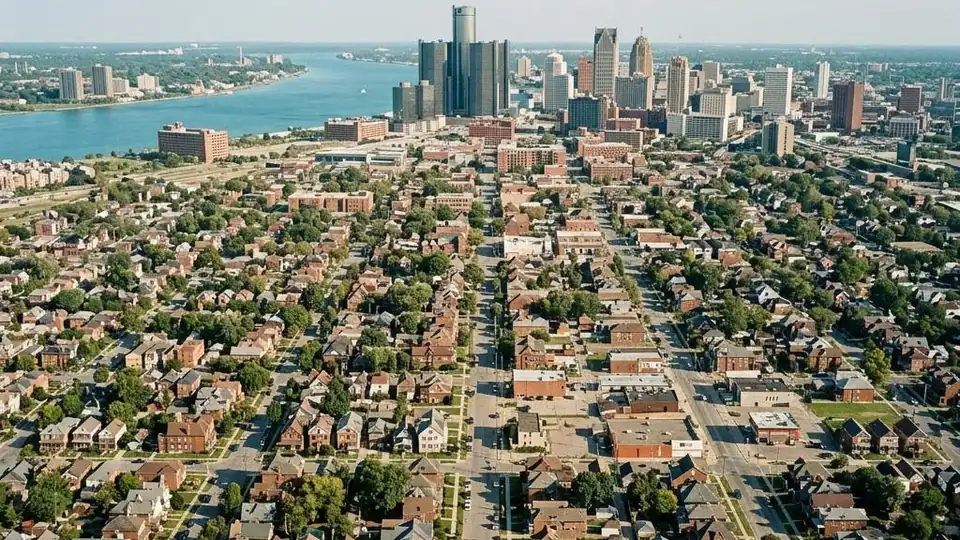
Detroit's housing stock is older than in most American cities. Many homes were built before modern vapor barriers and proper drainage systems were standard. Combine that with Michigan's climate, where winter snow melt and spring rains saturate the ground, and you have a recipe for chronic water intrusion. Basements here are notorious for seepage. I have walked into crawl spaces where standing water had been present for months, and the mold growth was so thick you could smell it from the street. In those cases, mold remediation Detroit is not just about cleaning; it is about fixing the underlying moisture source, whether that means regrading the yard, installing a sump pump, or sealing foundation cracks.
Another factor is the prevalence of flat roofs on commercial and multi-unit buildings in the city. Flat roofs are prone to ponding water, and if the membrane fails, water travels down through the structure, soaking insulation and ceiling tiles. That hidden moisture feeds mold colonies that can spread throughout an entire building via the HVAC system. I have seen offices where the air quality monitor showed spore counts ten times higher than outdoor levels, and the occupants had been complaining of headaches and respiratory issues for months. Nobody connected the dots until an Industrial Hygienist performed mold testing and found Aspergillus and Penicillium species in the air ducts.

The Real Cost of DIY Mold Removal
I understand the temptation to handle mold yourself. A bottle of Concrobium or RMR-141 from Lowe's or Home Depot costs under twenty dollars, and there are dozens of YouTube videos showing someone spraying foam and wiping away black stains. But those videos rarely show what happens next. If you do not contain the area properly, you simply stir up spores that settle elsewhere in the house. If you use a bleach solution on porous wood, the moisture can actually drive the mold deeper into the grain. And if you miss the source of the moisture, the mold will return within weeks, often stronger than before.
I have had clients who spent hundreds of dollars on Mold Armor sprays and dehumidifiers, only to call me six months later with a much bigger problem. The dehumidifier helped lower the humidity in the basement, but the water was still seeping in through a crack in the foundation. All the dehumidifier did was keep the air dry enough to slow visible growth while the mold continued to eat away at the wall framing. By the time we opened the wall, the studs were soft and crumbling. That is a fire restoration level of damage, and it could have been prevented with an expert inspection and targeted moisture control.
What Professional Mold Remediation Actually Involves
When I work with a property owner on a mold remediation Detroit project, the first step is always a thorough assessment. That means using an air quality monitor to measure spore counts in different rooms, taking surface samples from suspect areas, and often performing a thermal imaging scan to find hidden moisture behind walls. An Industrial Hygienist may be brought in to interpret the results and determine whether the mold is a toxigenic species that requires special handling. Only after we understand the full scope do we plan the remediation.
The remediation itself involves containment. We seal off the affected area with plastic sheeting and run a HEPA-filtered negative air machine to prevent spores from migrating to clean parts of the building. Then we remove any porous materials that are too damaged to save, such as drywall, carpet, or insulation. Non-porous surfaces like concrete and metal are cleaned with antimicrobial solutions like Concrobium. Finally, we treat the area with a biocide such as RMR-141 to kill any remaining spores. The entire process is documented, and a post-remediation clearance test is performed to verify that spore levels are back to normal.
One thing that surprises many property owners is that the remediation does not end with cleaning. You have to fix the moisture problem, or the mold will return. That often means repairs to the roof, gutters, plumbing, or foundation. It may involve installing a dehumidifier with a permanent drain line, upgrading the HVAC system with better filtration, or adding a vapor barrier in the crawl space. Mold remediation is really moisture management, and that is a long-term commitment.
Choosing the Right Products and Tools
There is a lot of debate in the industry about which products work best. I have used Mold Armor for light surface growth on non-porous materials, and it does a decent job if you follow the instructions exactly. For more stubborn infestations, Concrobium is my go-to because it leaves a crystalline residue that resists future growth. RMR-141 is a heavy-duty biocide that I reserve for serious cases, such as after a sewage backup or extended water damage. But none of these products replace the need for source control. You can spray the most expensive chemical on the market, and if the wall is still wet, the mold will be back.
Similarly, a dehumidifier is only useful if you choose the right size for the space and empty it regularly. I have seen basement dehumidifiers that run 24/7 but cannot keep up because the unit is undersized or the room is poorly sealed. A better approach is to use an air quality monitor that tracks both temperature and relative humidity, and then set up your dehumidifier to run only when needed. Some newer models can connect to a smart home system and drain automatically into a floor drain, which removes the human error factor.
When to Call a Professional
If you see mold covering an area larger than a few square feet, or if you suspect it is inside a wall or ductwork, do not attempt to handle it yourself. The same goes if anyone in the building has asthma, allergies, or a compromised immune system. The EPA recommends professional remediation for any mold problem that involves more than surface cleaning, and I agree. The cost of an expert inspection is a fraction of what you will pay for emergency water damage repair or medical bills down the road.
I have seen too many Detroit property owners lose thousands of dollars in rent because a tenant complained of mold and the owner tried to cover it up with paint. The paint peeled within weeks, and the tenant called the health department. Then the owner had to pay for emergency relocation, mold testing, and full remediation. That is a headache that could have been avoided with a single phone call early on.
The Bigger Picture: Indoor Air Quality and Property Value
Mold does not just damage your building; it damages the air you breathe. Indoor air quality is a major factor in overall health, and mold spores are one of the most common indoor pollutants. A single colony of mold can release millions of spores into the air every day. Those spores travel through your HVAC system and settle in your lungs. Over time, that exposure can cause chronic sinus infections, wheezing, and even neurological symptoms in sensitive individuals.

For property owners, mold also kills property value. A house with a known mold problem can sit on the market for months, and when it does sell, it often goes for well below market value. Buyers are becoming more educated; they ask for mold testing during inspections, and they walk away if the results come back high. Investing in mold remediation Detroit is an investment in your property's future. It makes your home healthier, more comfortable, and more valuable.
If you are a property owner in Detroit, my advice is simple. Do not wait until you can see the mold. Pay attention to musty smells, water stains, peeling paint, and high humidity readings. Address leaks within 24 hours. Keep your gutters clean. And if you suspect a problem, call an expert before the mold spreads. The few hundred dollars you spend on an inspection and remediation now can save you thousands in structural repairs and medical costs later.